One of the nice things about traveling is that somehow it cleans your “eye palette”. By visiting a new place and adjusting your vision to new images, signs and symbols, you are also more open to new images or to see in a different manner. This time I am in Utrecht, in the Netherlands, doing some teaching with the School of Governance and working with the Green Office and enjoying the city. Normally I travel with my husband or with colleagues, but this time I found myself on my own (which I truly like too!)… To be on my own makes me also more aware of the streets and the places, so I don’t get lost. Wandering around the city, I got in this lovely cafe called Stan&Co, a beautifully designed and inviting place.

The style of decoration is “industrial chic” and this is a spacious cafe, with trendy use of lettering and some comfy chairs with magazines.
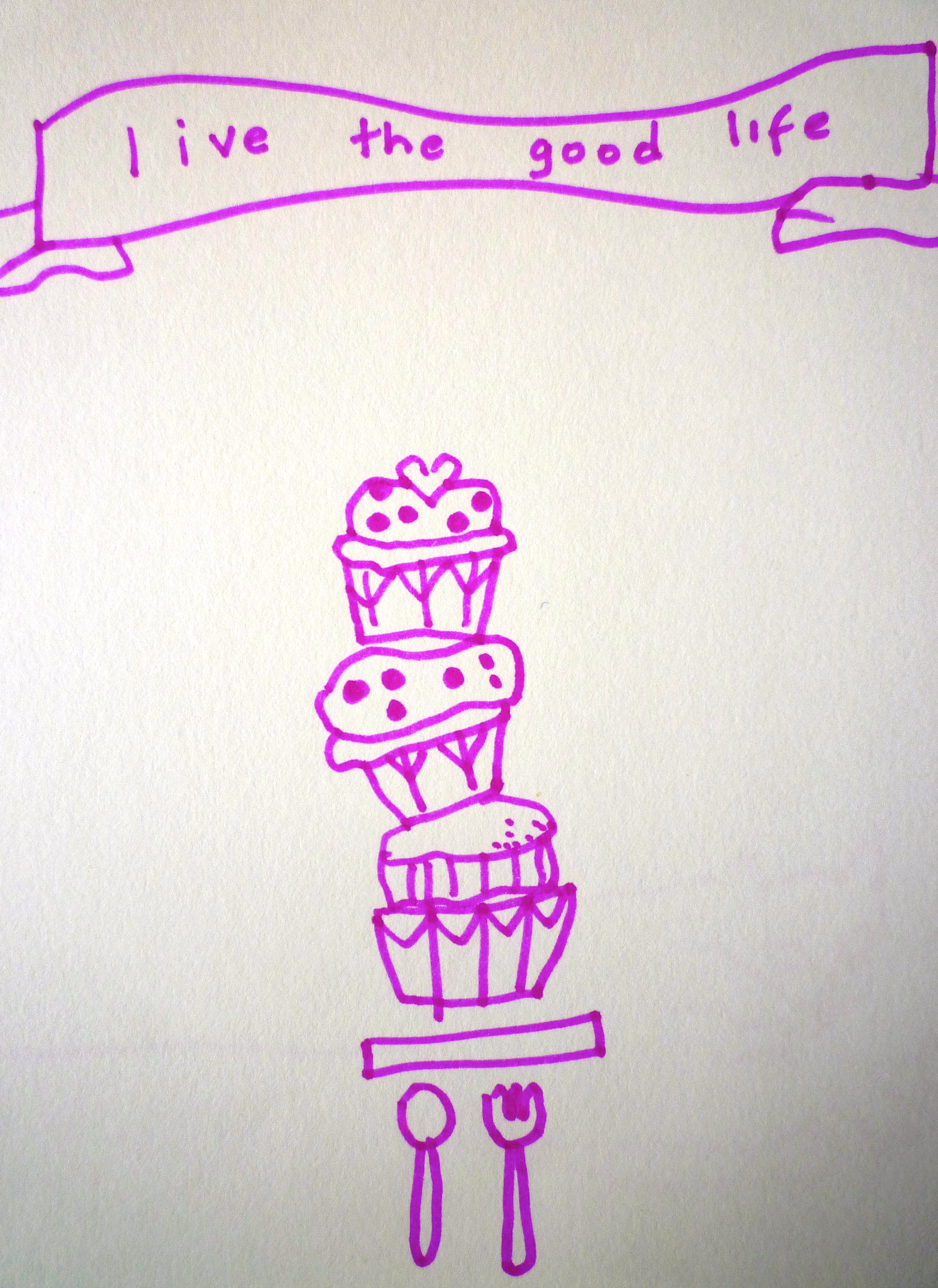
“Live the Good Life” at Stan & Co. Utrecht.
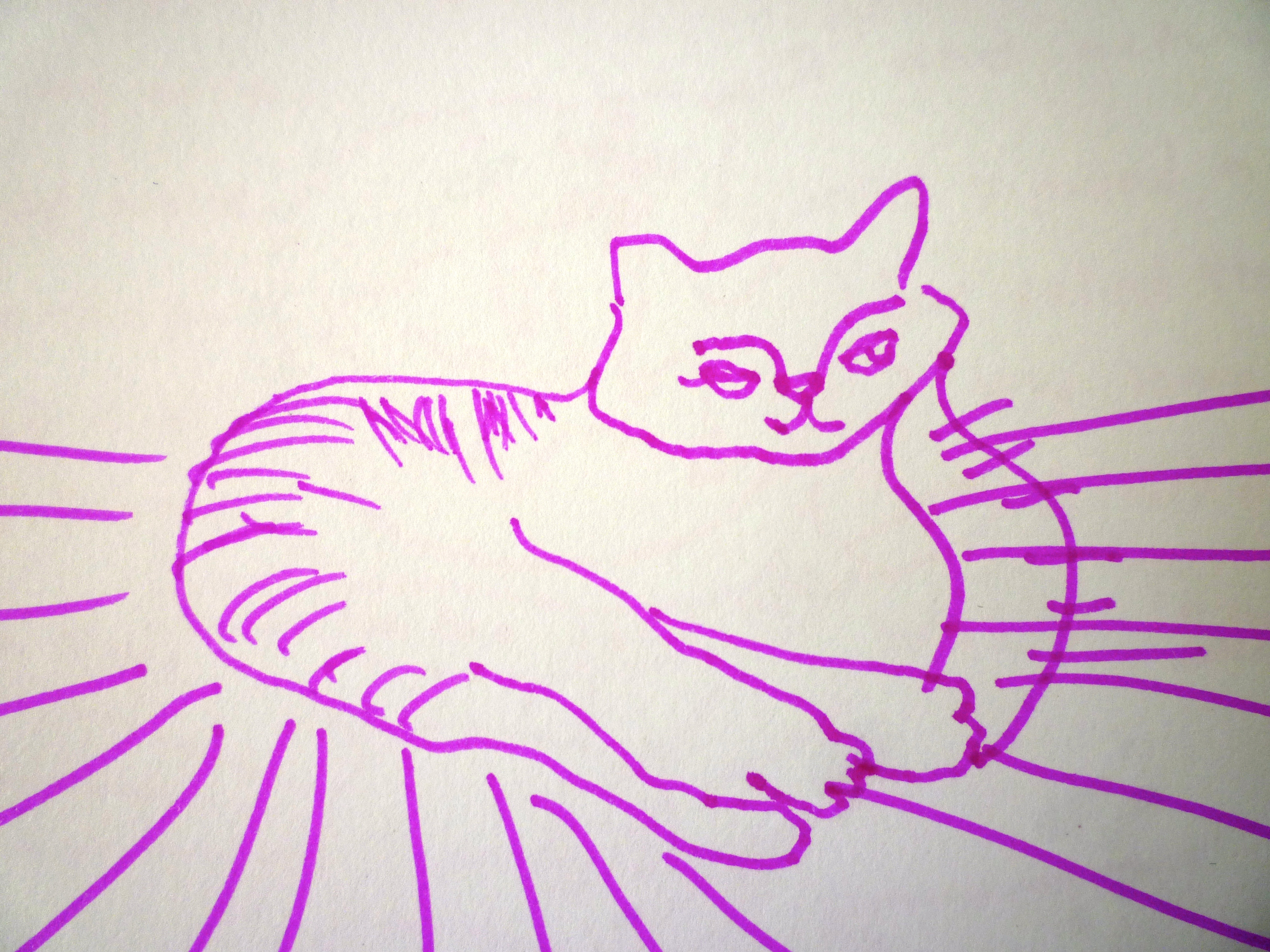
One of the chairs was fully occupied by a fluffy cat that confirmed me that this was the place to be in Utrecht!
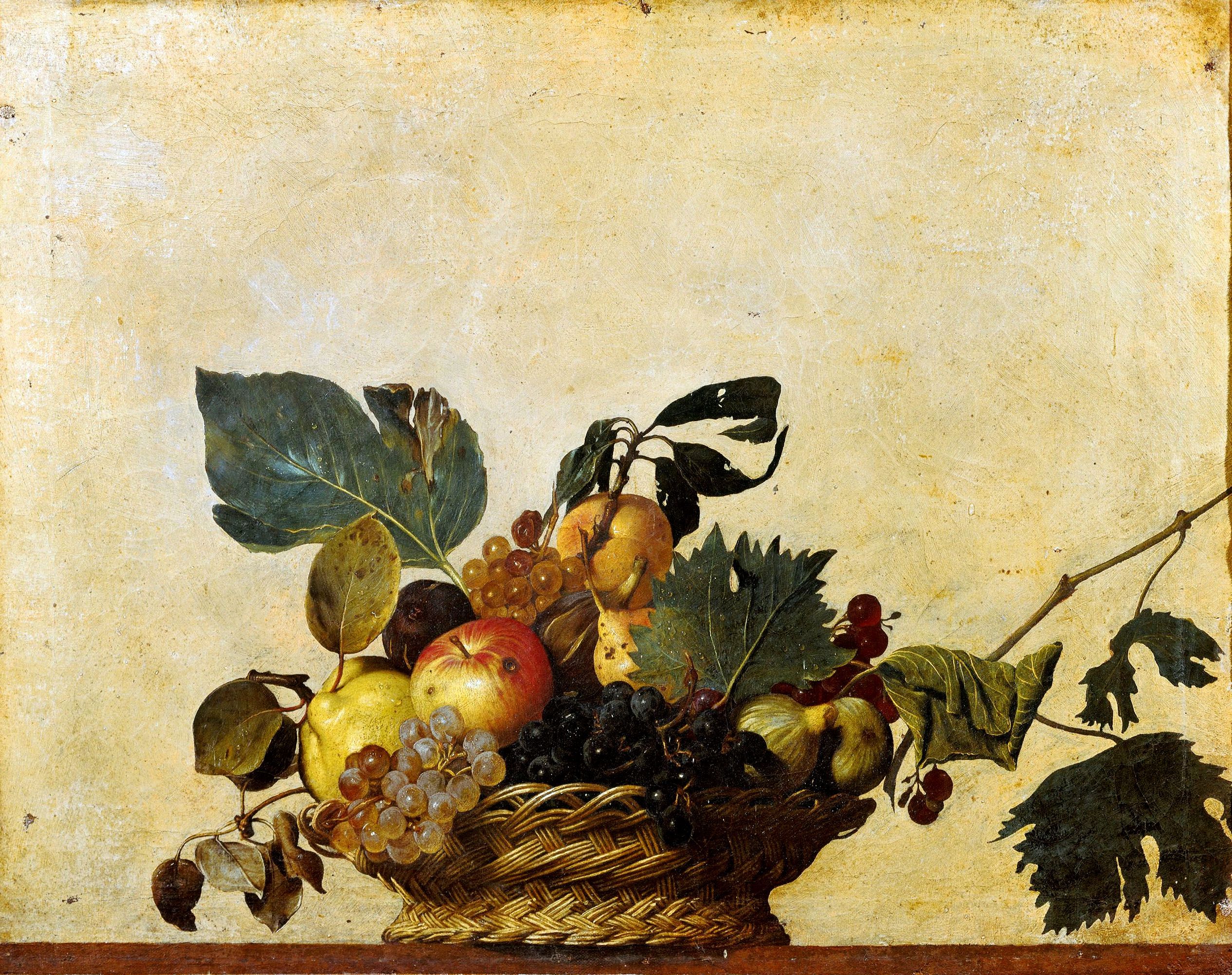
I’ve been thinking about doing some ” still life” paintings and I encouraged my dear pen pal Donna Ladkin to explore this type of painting together, as part of our creative partnership. The idea came because in recent days, I watched a BBC Four program about Still Life: Apples, Pears and Paint, and it was a refreshing reminder of the history and importance of still life in western art. It trace back the depiction of simple , yet meaningful, things like fruits or flowers, starting with Caravaggio’s bowl of fruits, that influenced Flemish painters and started a complete new genre in western painting.
The genre of the “Still Life” reached its height with the Golden Age of Dutch painting, coinciding with the economic growth of the Netherlands due to their commercial routes across the Globe. In a very short space of time, great fortunes were made, and the way in which this new materialism was expressed was through paintings.
“Life in Dutch society was very different [than other parts of seventeenth century
Europe], for the Republic was the entrepot of world trade, with
evidence of ships and the sea everywhere … [I]t was a society in which no
one could live without continually sensing the interaction of land and sea,
town and country, one town with the next, soldiers and seamen with
burghers, the exotic with the mundane, and the foreign with the local. Art, by
encompassing all of this, and reflecting it on everyone’s walls, and in every
tavern and public building, made explicit, and heightened awareness of, what
everyone saw and felt.”
Jonathon Israel, The Dutch Republic: Its Rise, Greatness and Fall, 1477-1806 (New
York: Oxford University Press 1998). p. 563
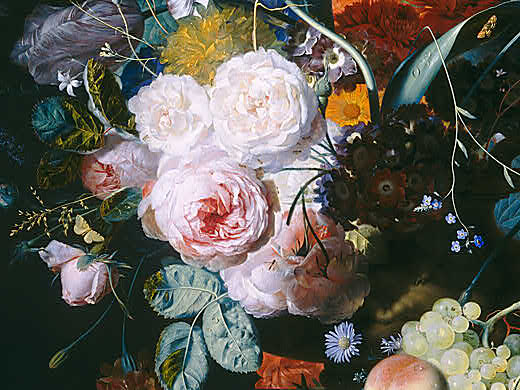
Flowers, birds, fruits from all over the planet were symbols of great status, and silverware and ceramics also show off the wealth of families and traders. For instance, in this painting by Dutch artist Jan van Huysum (1682 – 1749) Still life with Flowers and Fruits, really shows off the richness of products available for those who can afford it. This example also reflects the different strands that made possible this image: the commercial routes, Van Leeuwenhoek’s invention of the microscope, the context of the protestant religion, and the tradition of painters. Indeed, one cannot understand a painting without referring to the myriad of socio-cultural and political aspects present at a particular historical period.

An essential part of walking around is to carry my sketchbook, it is a great company when I’m on my own, and it is a permanent guest in our holidays. As Manet has put it:
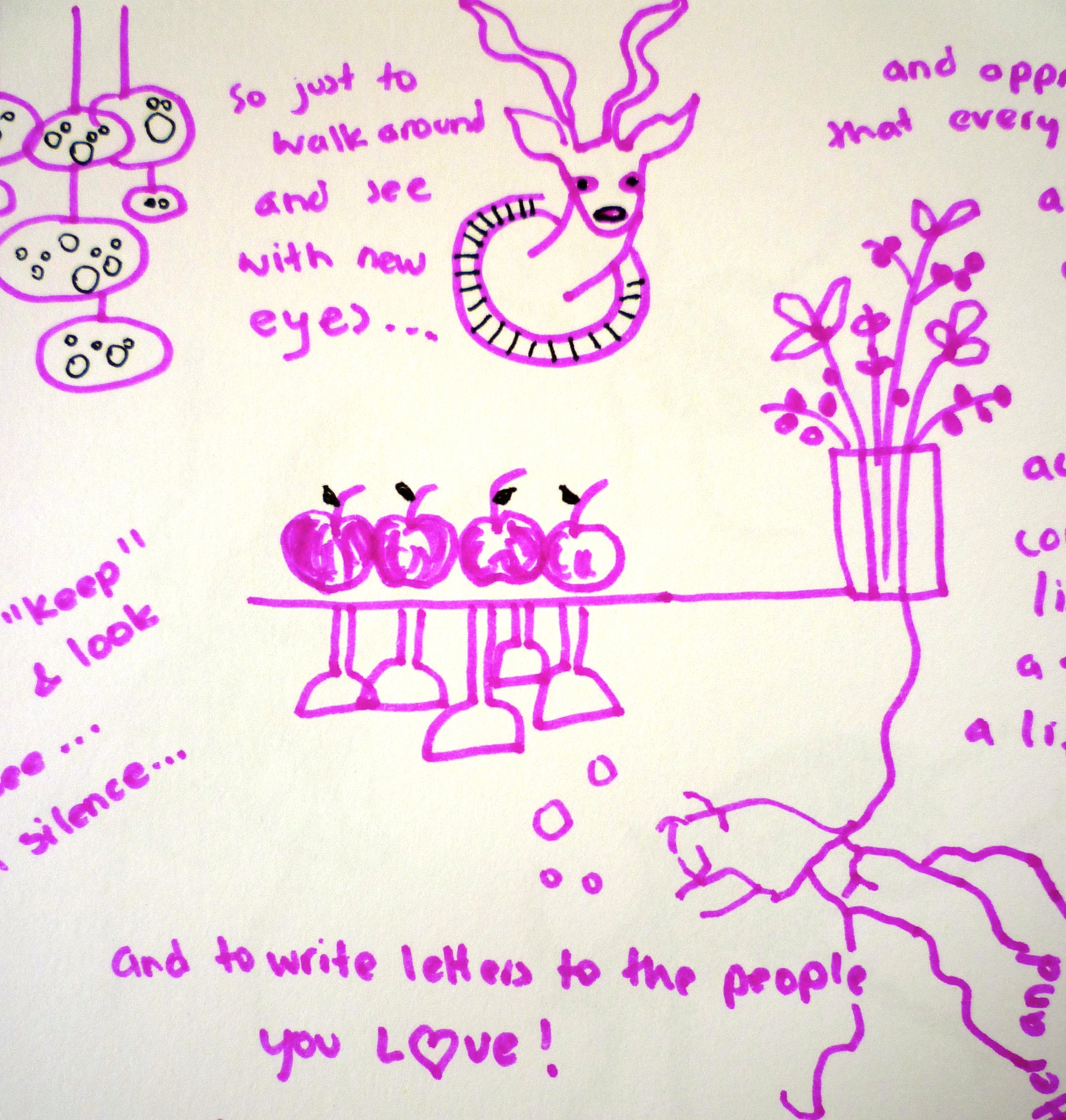
My drawings started to appear and it was not difficult then to be more receptive to many other arrangements/tableaux and still lives all around the city: shops, restaurants, tea houses, markets, windows… offering hundred of motifs for still life.
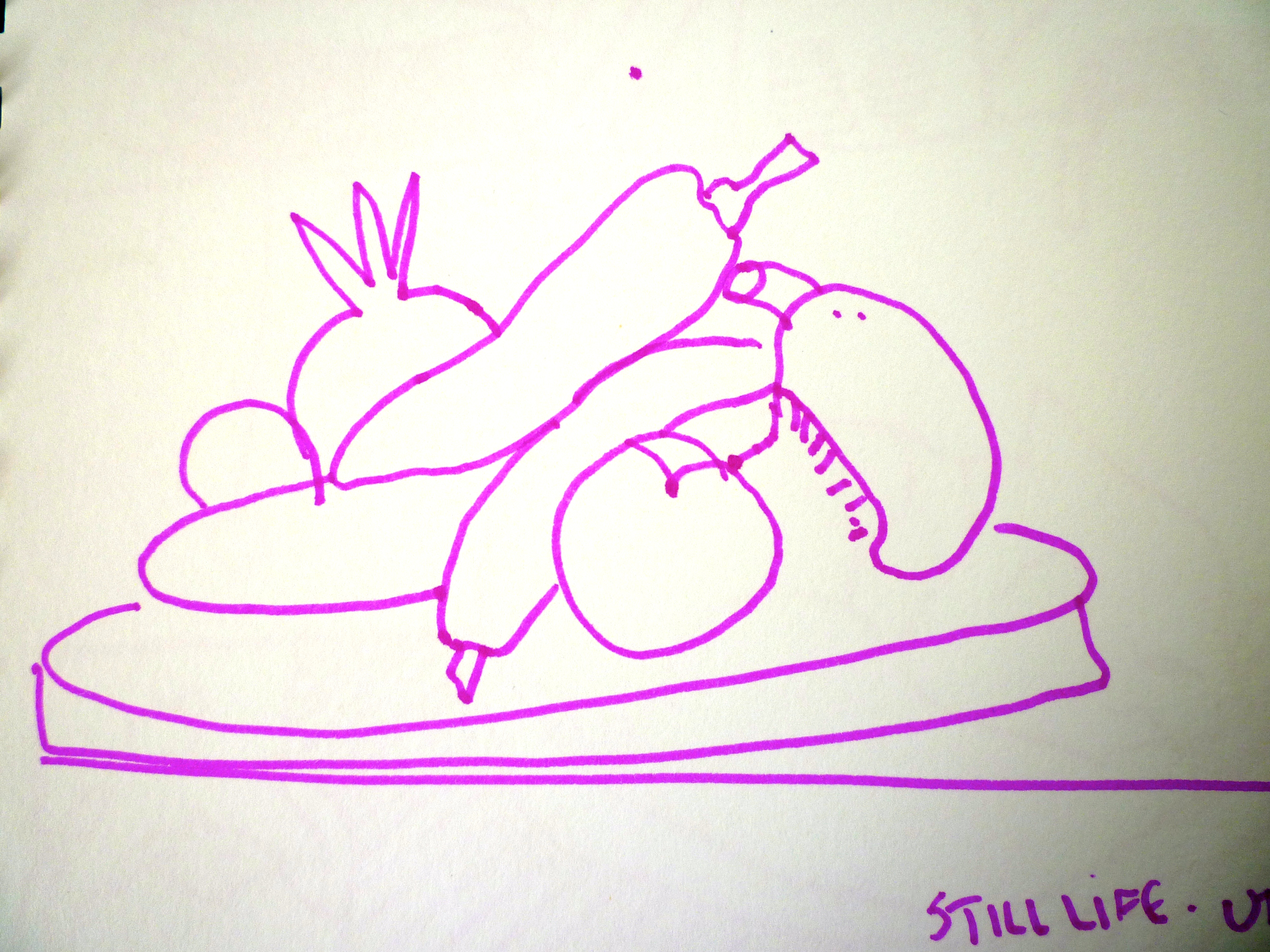
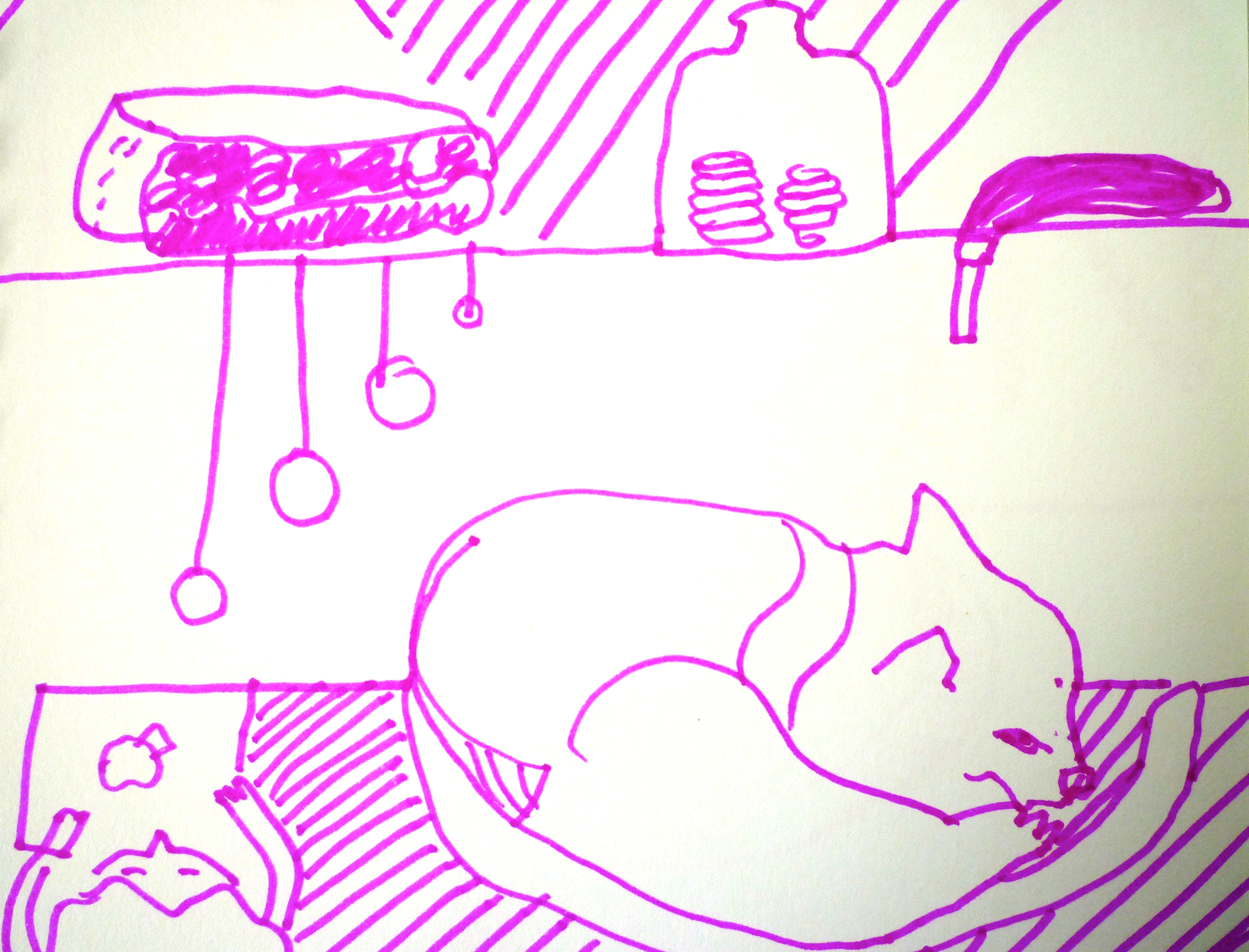
I truly love to sketch around, it is a great company and it also allows time for “drawing letters” and to imagine and envisioning… can we also say “endrawing” as the process of reflective drawing.

 Bonito Living
Leave a reply to My Next exhibition: Frida and Me. F, for Femininity | beatriz acevedo art Cancel reply