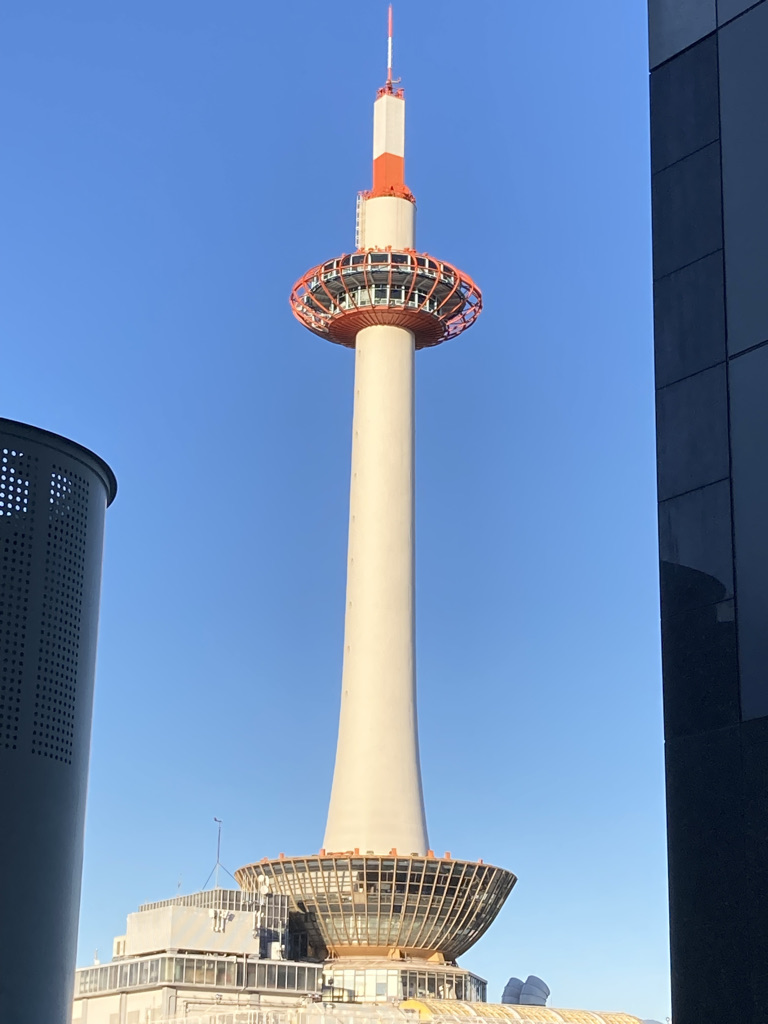
As the saying goes; “dress to ruin in Kyoto and eat to death in Osaka”, pointing out the luxury pleasures of the traditional capital of Japan against the earthy impulses of the neighbouring Osaka. It di also a way of reassuring Kyoto identity as the cultural capital of Japan, despite the relatively newly established capital of Tokyo or Edo. After almost 11 centuries of prevalence, the government of the time moved the capital to Tokyo or Edo, starting the Meiji period. Nonetheless, Kyoto prevailed as the capital of culture, of traditional knowledge concerning the refined practices of tea, the art of the kimono, the performance arts of geisha, and kabuki theatre productions. We arrived around mid-afternoon on the bullet train and the city surprised us due to its modernity and grid configuration. In my mind, Kyoto was this traditional city of floating parties, red lanterns, and secret gardens. In reality is a mixture of the modern and the traditional, bridged by a refined aesthetic and rich heritage.
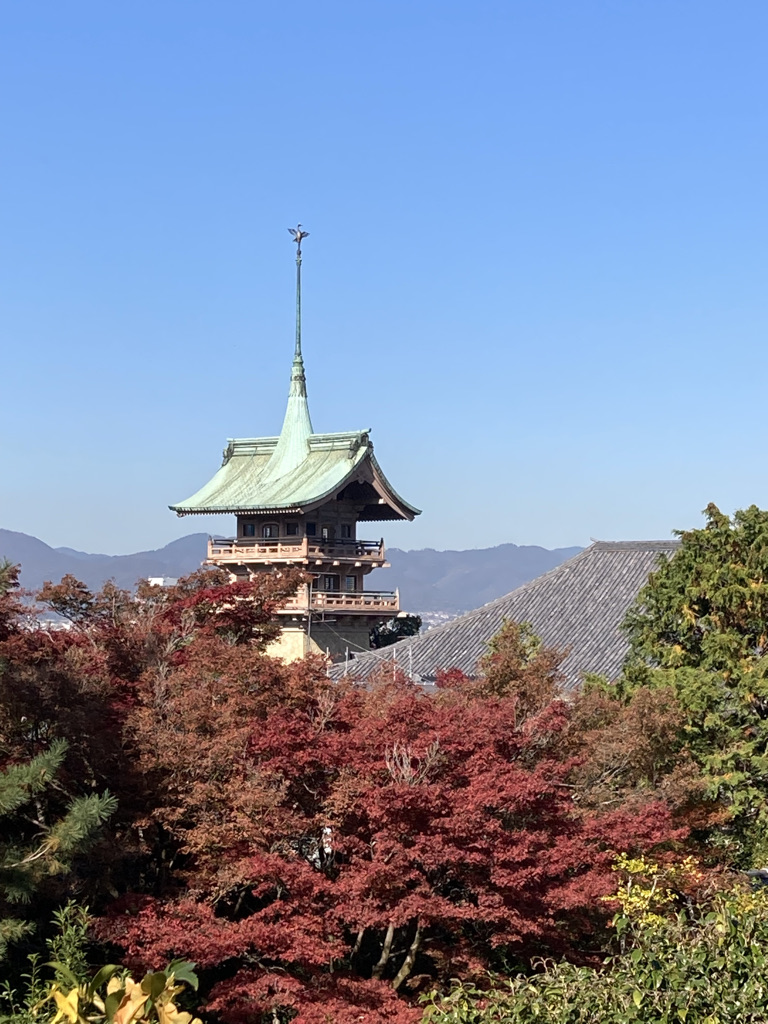
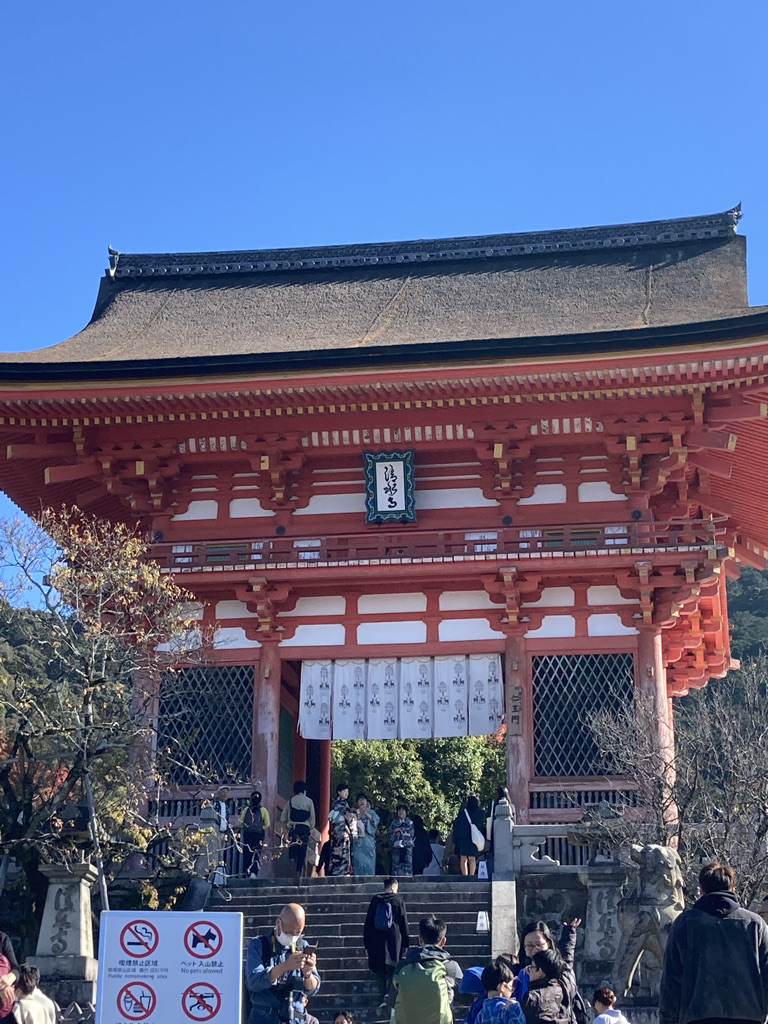
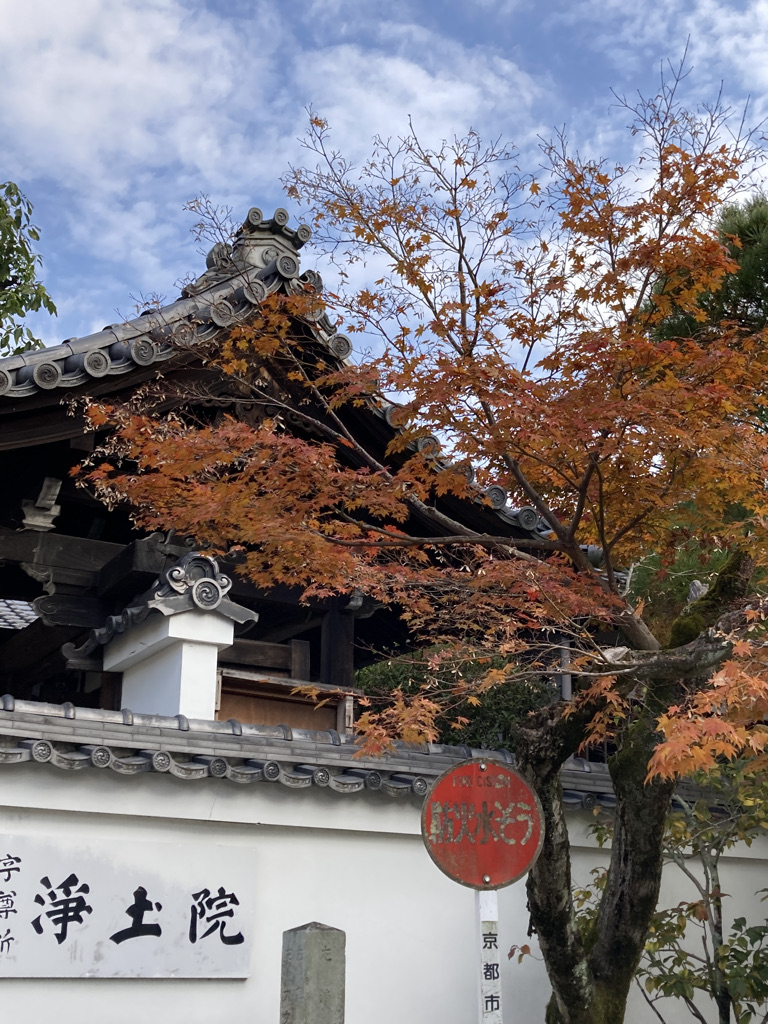
The first day we go on a private tour, starting with a visit to a small Buddhist temple (more on this on a separate vignette) and continuing through the touristic trail. Soon we realize that crowds of visitors swarm through the narrow streets, the souvenir shops exhibiting Kyoto delicacies: textiles, lacquerware, silk, and food. Travelers and visitors from Japan, east Asia, and abroad congregate here for the scenery, an explosion of selfies and snaps. Many young ladies from neighboring countries dress up in traditional kimono, either bought or rented and pose with studied innocence against the backgrounds of temples and shrines. It’s a bit overwhelming and after stepping on the magnificent temples of Kanin-Ji and overseeing the city we beg our guide to take us to a less crowded place. She cannot understand why we want to go to less popular places, but that’s not us.
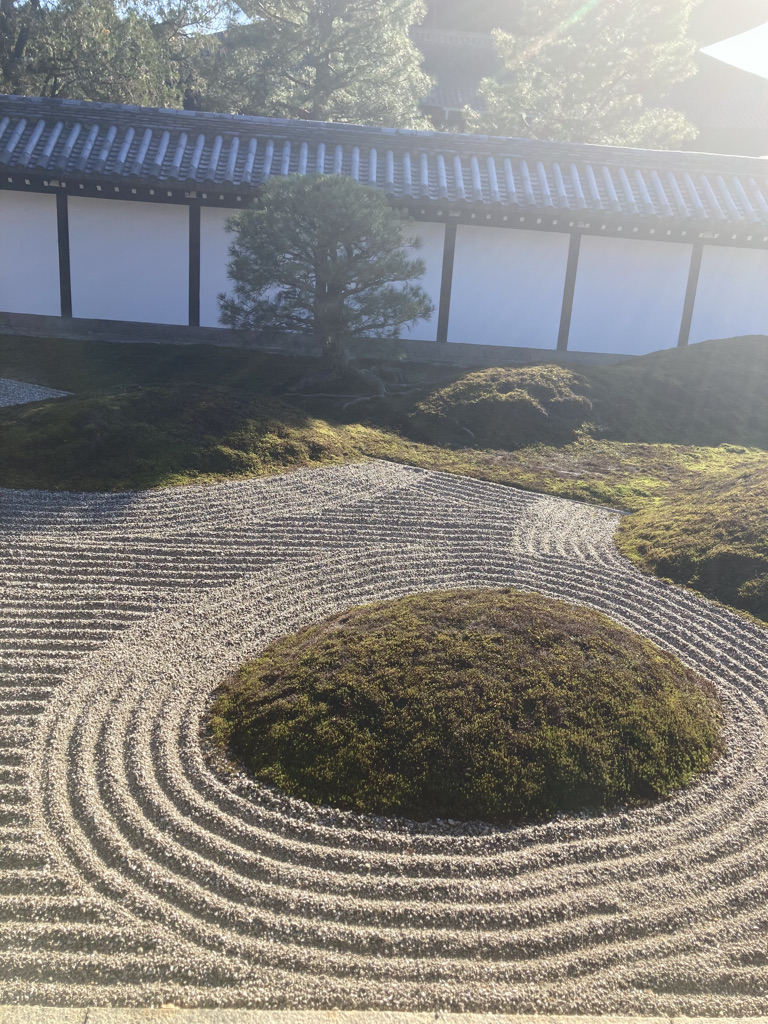
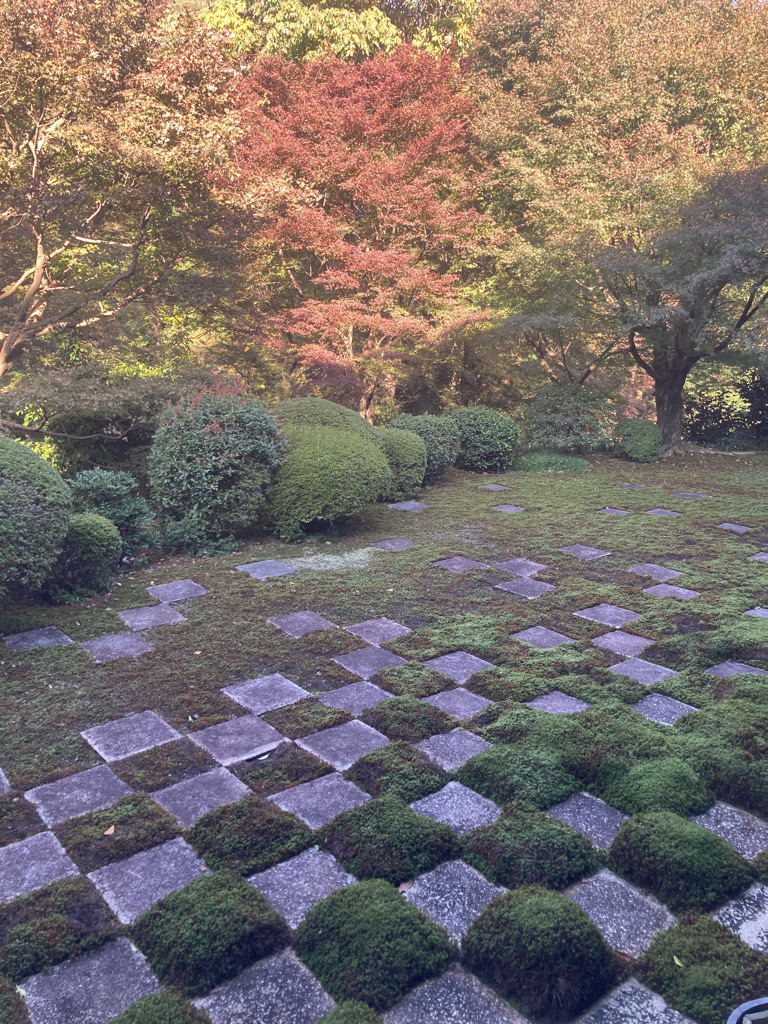
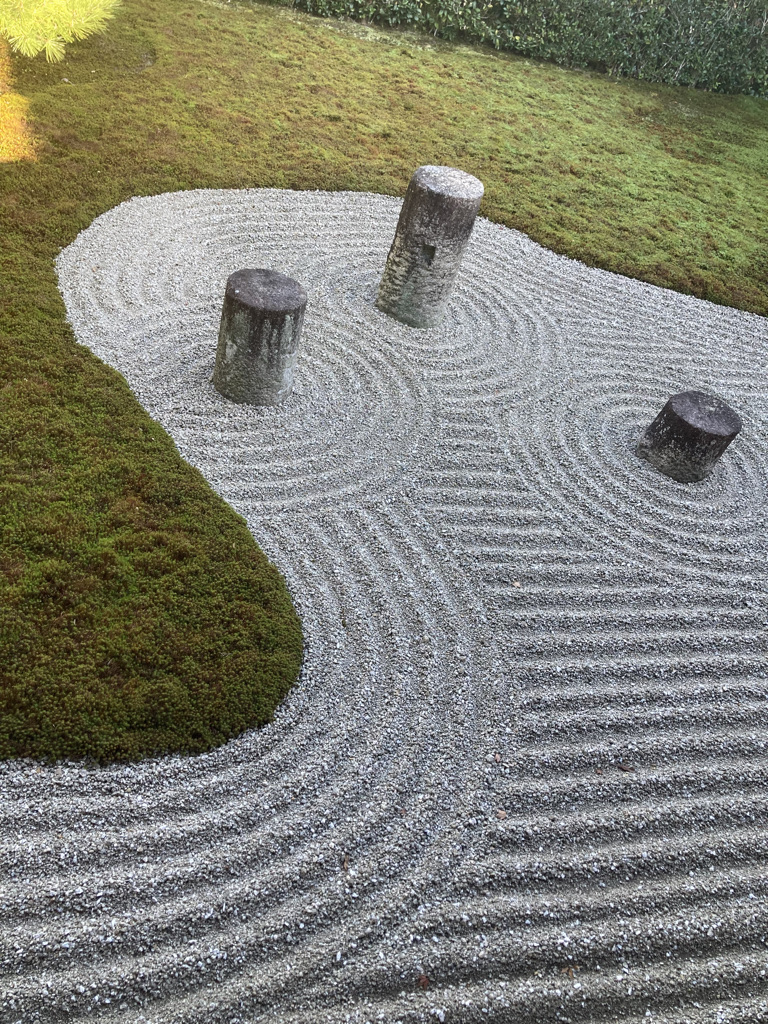
After negotiating with her, we arrived at the magnificent Tofuku temple, a jewel of architecture famous for its Zen gardens and the flotation of maple trees. There sitting down barefoot on the terrace of the temple our eyes wander through the raked gravel, stopping here and there on the symbolically placed stones, resting in a circular pattern or meandering through the straight raking of the almost luminous pebbles. It’s a very calming sensation, and a feeling of purity expands in our hearts.
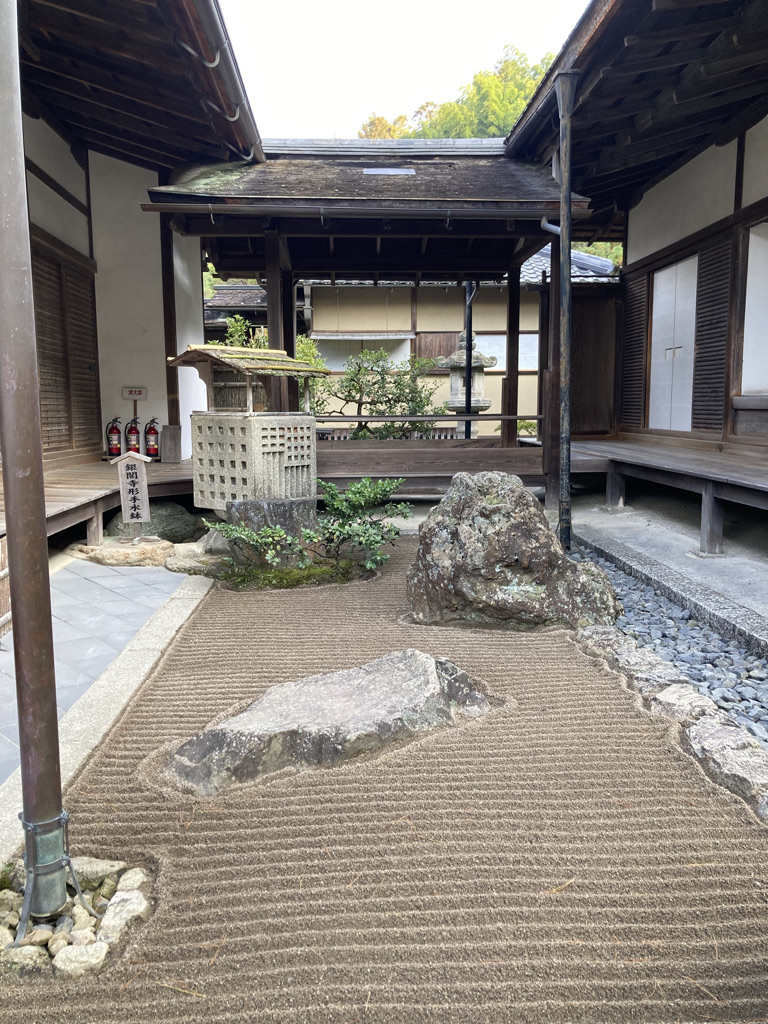
As the centre of political and economic power for almost ten centuries, Kyoto is the guardian of national treasures. The temples combine the grandiosity of architecture with the exquisite art of gardening, each of them competing in the handling of light and shade, the seasonal flotation, and the multi-sensory experience of paths and meanderings. We chose a few temples in the north east area of the city, alongside the Philosopher Path.
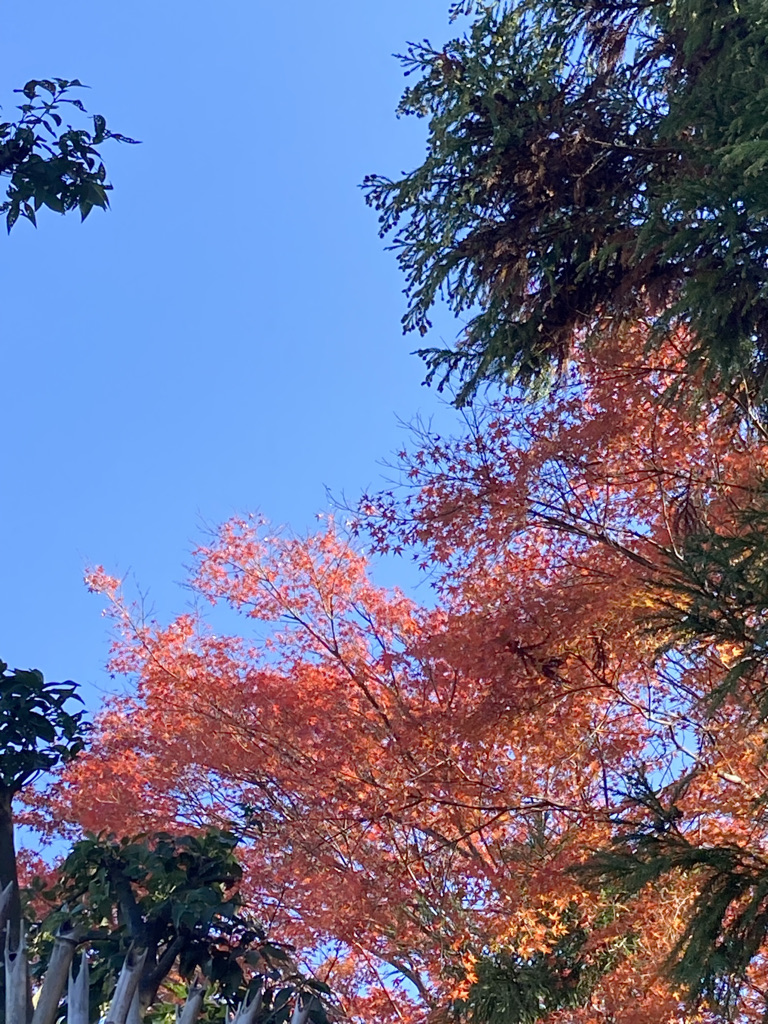
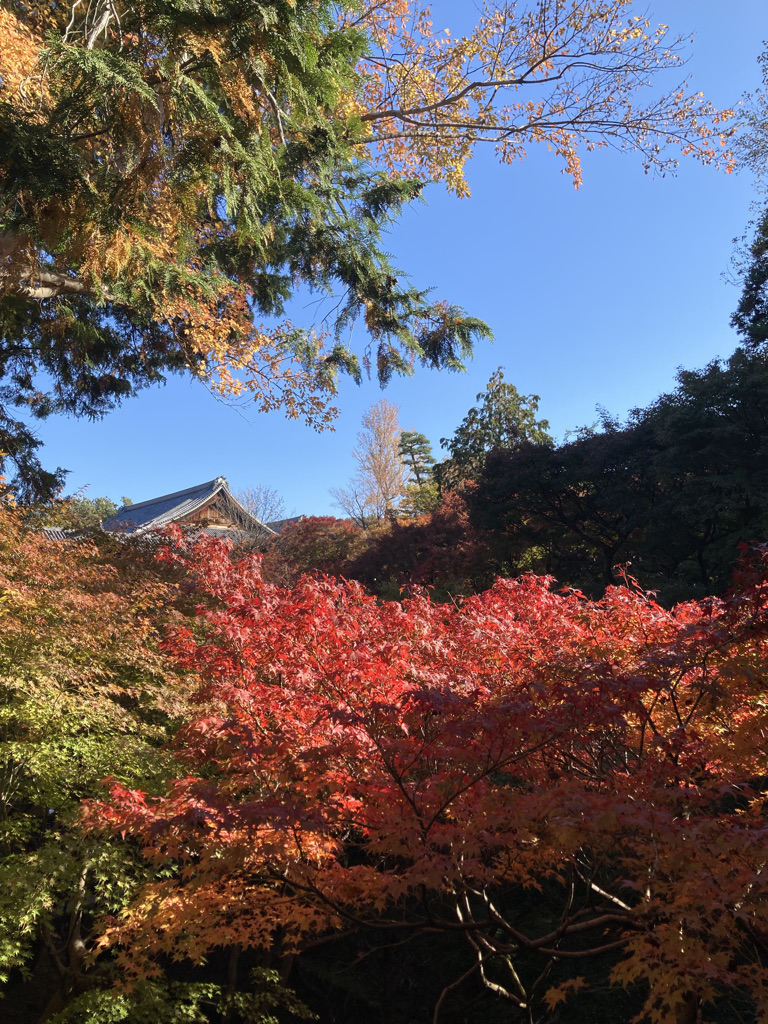
We start with the Ginkikuji temple And the majestic disposition of the garden, framed by pools of water and reflections of the different buildings. The “momiji” season is at its most splendid peak; the reds and golden canopies of acres and maples dispel any sadness or melancholy. It’s the liturgy of nature, rituals of growth and transience, and altars of water and plants. We continue through the philosopher path alongside a small stream, fed with the waters of Lake Biwa, one of the largest in Japan.
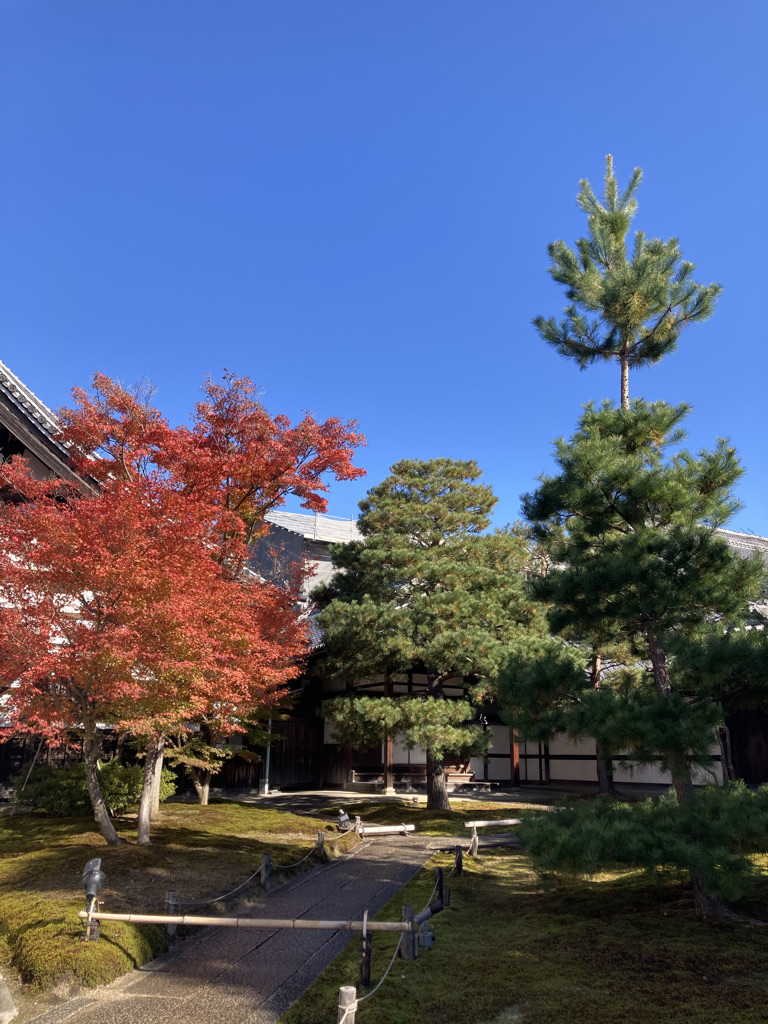
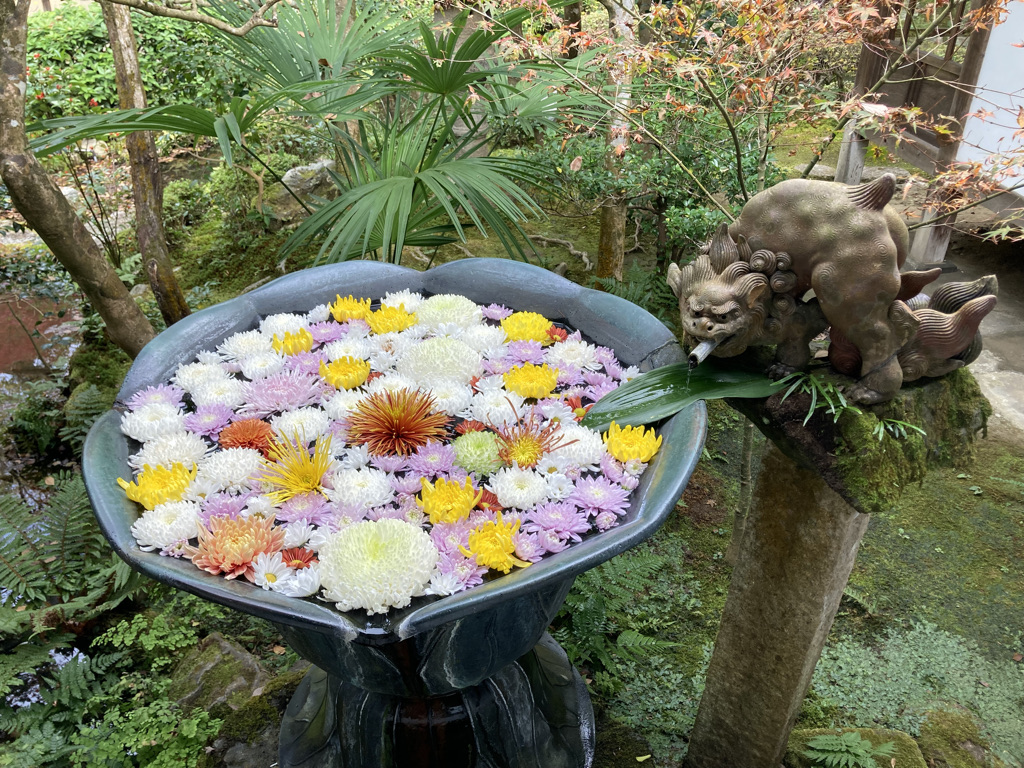
We follow the signs to the Honen Ji temple, and we find that this week is open to the public. A rare event that happens only in the autumn and in the spring. But it seems to be a secret place, and once we are inside walking barefoot through the galleries we appreciate the moment. Indeed, the buildings frame a number of gardens carefully manicured, where’re ancient pines converse with ginkgos, maples, mulberries and small birches. Inside also we see a Zen garden: a patch of white pebbles crossed by a carbon serpent in black. The garden designer Marc Keane explains his intention: it is about transciende be impermanence bridging the Buddhist approach to flux with the scientific narrative of carbon cycles. He is one of the world experts in the Japanese garden and was granted the rare opportunity to intervene this ancient and sacred space.
Thoroughly the city these amazing temples attract thousands of visitors who gape in awe… while taking the perfect picture. That is a futile exercise! In fact, I feel like cheating my friends with pictures that do not capture the magnificence of the colours, the atmosphere of the Momiji or the devotion of the space. Alas, that’s all we have… and Kyoto slowly reveals her charms. The evening brings its own magic and we head toward the Gion neighborhood, from the Yakasa shrine through the Main Street or traditional crafts and sweets, riveting through the back streets of traditional locales. We are advised to go early in the evening to spot a geisha, and we are not disappointed. Walking by a barely illuminated alleyway, the white makeup of the geisha reveals her trade. Geishas are highly cultured performers whose refined talents in dancing or playing an instrument are highly valued in Japan culture. A session with a geisha can cost around £900, and only rich business people can afford their services.
We walk around the narrow streets crowded by young people and visitors, eyeing in bars or restaurants, of this area of Pontocho. Peppered between the nightlife and the less salubrious establishments, there are shrines and altars, in this strange mixture between pleasure, devotion, business, and culture. We may not have dressed to ruin in Kyoto, but we have certainly walked to death. And although we did not check the top locations we had a nice glimpse at the splendor of this city, where the treasures of kimono, tea ceremony, geisha performances, kabuki, and Noh theatre, and even the ever-present karaoke are kept alive by masters and mistresses of this cultural wealth.



 Bonito Living
Leave a comment